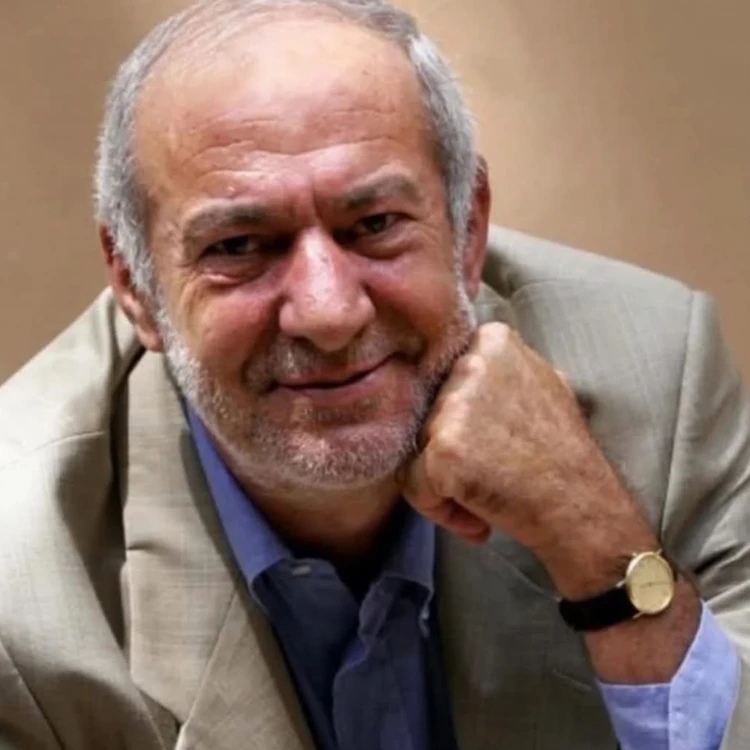


Mario Capanna
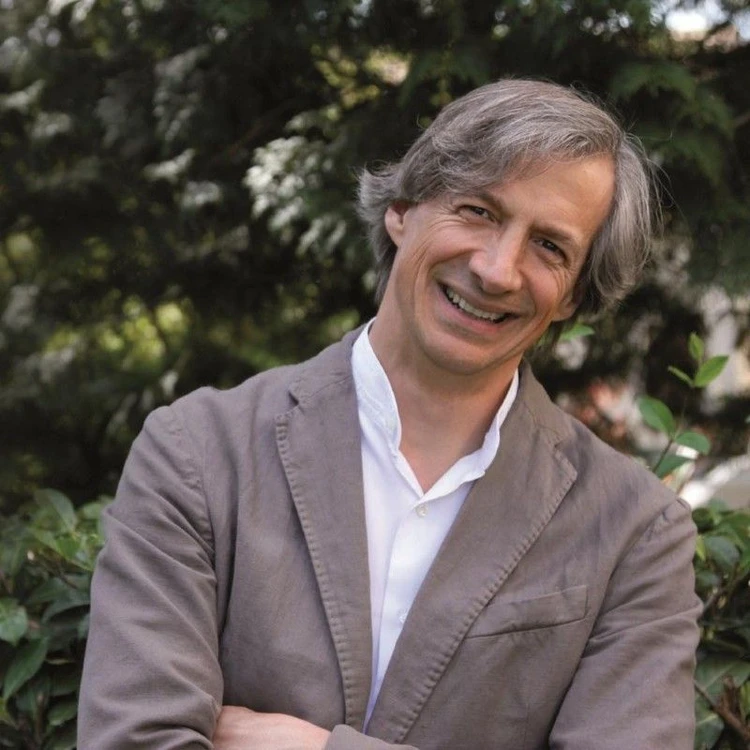
Student leader in the Sixty-eight, national secretary of Proletarian Democracy, former European parliamentarian and national deputy, direct grower, olive grower and beekeeper.
Introduces Tawakkol Karman, Nobel Peace Prize 2011 in dialogue with Riccardo Barlaam, Il Sole 24 Ore.
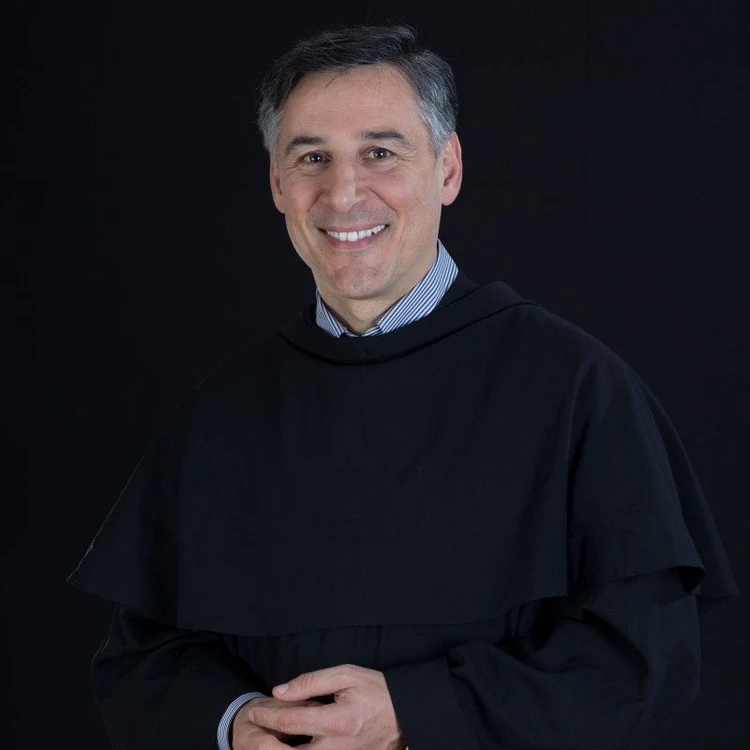
A round table follows with Mario Capanna, writer; Enzo Fortunato, president of the pontifical committee for World Children's Day; Marco Magnani, Luiss Guido Carli University and Pietro Modiano, business economist.
Whispered interpreting
Student leader in the Sixty-eight, national secretary of Proletarian Democracy, former European parliamentarian and national deputy, direct grower, olive grower and beekeeper.
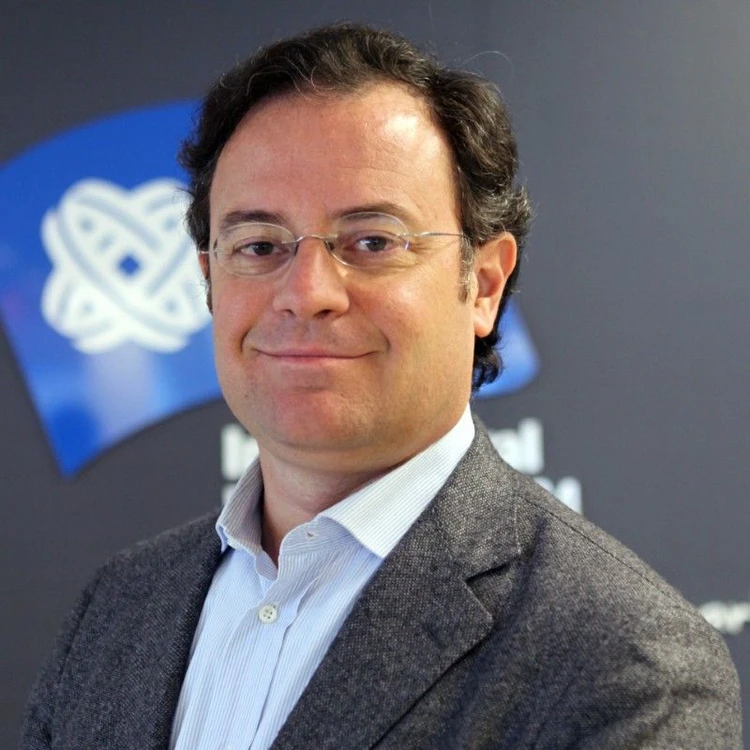
Teaches International Economics at LUISS Guido Carli and Cattolica University Senior Fellow Harvard Kennedy School. Author of "Fatti non foste a viver come robot" (Utet), "Making the global economy work for everyone" (Palgrave Macmillan), "The Great Disconnect. Hopes and fears after the excess of globalization" (Bocconi Univ. Press).
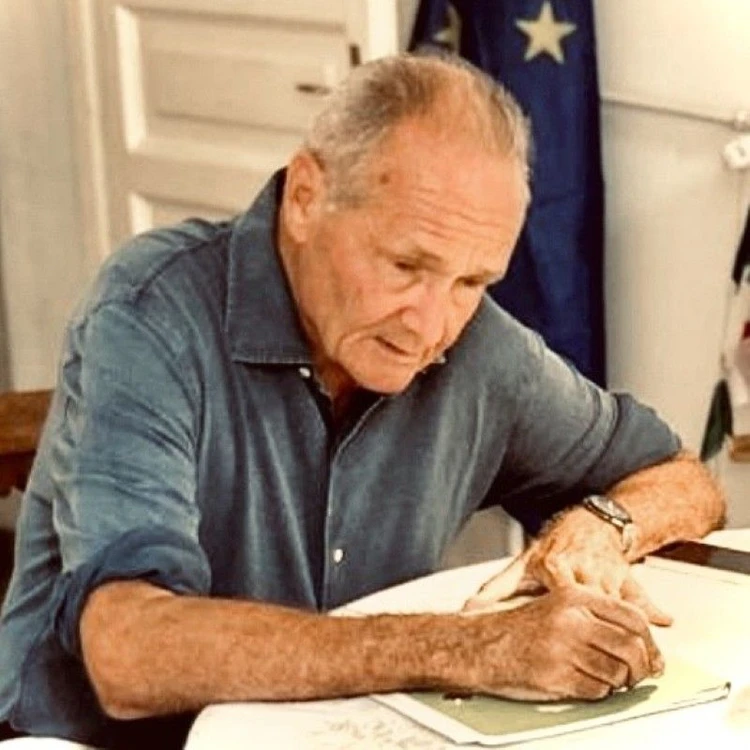
Pietro Modiano (Milan, 1951) built his career in banking and finance after graduating cum laude from Bocconi. He held key roles, including Deputy CEO at Unicredit and Intesa Sanpaolo, CEO at San Paolo di Torino, and Chairman at Pioneer Investments, Banca IMI, and SEA. From 2009, he chaired Tassara and Nomisma. In 2018, he returned to banking as Chairman and ECB-appointed Commissioner of Banca Carige until its rescue in 2020.
Human rights activist, journalist, politician, and founder of Women Journalists Without Chains and the Tawakkol Karman Foundation. She won the Nobel Peace Prize in 2011 for her non-violent struggle for democracy and women’s rights in Yemen. Known as “mother of the revolution” and “the iron woman”, she is a member of the Facebook Oversight Board. She holds a master’s in global security from UMass Lowell University.

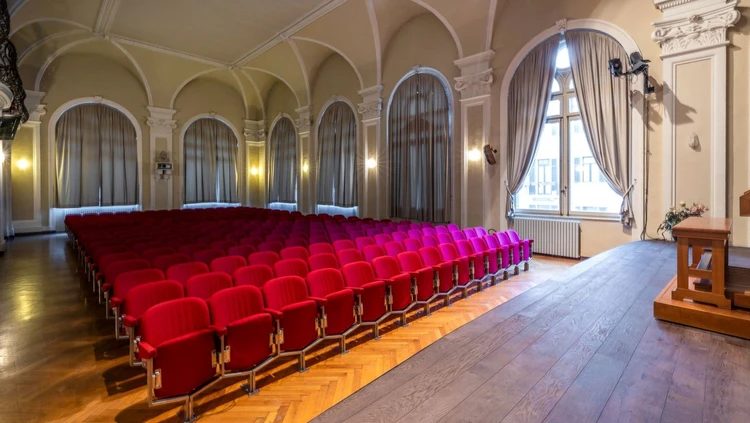
An illustrious concert hall in a building on Via Giuseppe Verdi, which harks back to the Austro-Hungarian Empire and the numerous musical associations (Musikverein) once found in Ljubljana and all the way to Vienna. It is home to the Philharmonic Society of Trento, founded in 1795. It boasts a beautiful organ, dating back to 1906.